
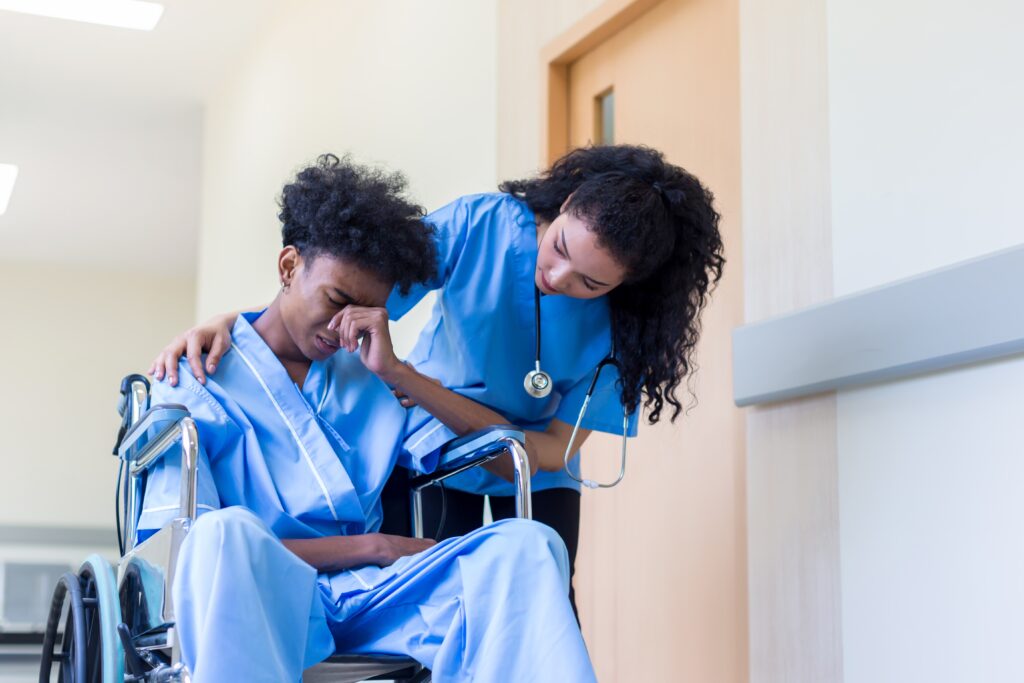
Leaving the hospital is an important milestone on the road to recovery. While returning home can be comforting, it also comes with new responsibilities for patients and caregivers. Proper planning and preparation can help ensure a safe, smooth, and successful recovery at home.
Understand Your Discharge Instructions
Before leaving the hospital, make sure you fully understand your discharge instructions. These may include information about medications, dietary restrictions, activity levels, wound care, follow-up appointments, and warning signs that require medical attention. Don’t hesitate to ask questions if anything is unclear.
Organize Medications
Managing medications correctly is one of the most important aspects of recovery. Create a medication schedule that includes dosages and times for each prescription. Consider using a pill organizer or setting reminders to help prevent missed doses.
Prepare a Safe Living Environment
A safe home environment can reduce the risk of falls and other complications. Remove clutter, secure loose rugs, improve lighting, and keep frequently used items within easy reach. If mobility is limited, consider installing grab bars in the bathroom or using assistive devices recommended by your healthcare provider.
Arrange Necessary Support
Recovery is often easier with help from family members, friends, or professional caregivers. Assistance with daily activities such as meal preparation, transportation, personal care, and household tasks can reduce stress and support healing.
Follow Recommended Activity Guidelines
Physical activity plays an important role in recovery, but it is essential to follow your healthcare provider’s recommendations. Avoid overexertion and gradually increase activity levels as directed. Physical therapy or rehabilitation exercises may be necessary for some patients.
Focus on Proper Nutrition and Hydration
A balanced diet supports healing and helps restore strength. Eat nutritious meals that include lean proteins, fruits, vegetables, whole grains, and healthy fats. Staying hydrated is equally important, especially when recovering from illness or surgery.
Monitor for Warning Signs
Pay close attention to any changes in your condition. Contact your healthcare provider immediately if you experience symptoms such as fever, worsening pain, difficulty breathing, unusual swelling, signs of infection, or any other concerning changes.
Keep Follow-Up Appointments
Follow-up visits allow healthcare providers to monitor progress, adjust treatment plans, and address concerns before they become serious. Mark appointments on your calendar and arrange transportation if needed.
Consider Professional Home Health Services
For individuals recovering from surgery, illness, or injury, home health services can provide valuable support. Skilled nursing care, therapy services, and assistance with daily activities can help promote recovery while allowing patients to remain comfortable in their own homes.
Final Thoughts
Successful recovery after hospital discharge requires preparation, patience, and ongoing support. By following medical instructions, creating a safe environment, and seeking assistance when needed, patients can improve their recovery experience and regain independence more confidently.